Ester Oras, Department of Archaeology, Institute of Chemistry, University of Tartu, Ülikooli 18, 50090, Tartu, Estonia;
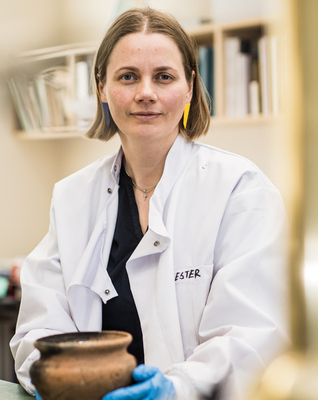 Ester Oras is the professor of archaeochemistry at the Institute Chemistry, and History and Archaeology, and the director of the Archemy Lab at the University of Tartu, Estonia. Her main field of research is biomolecular archaeology, especially ancient dietary reconstructions through stable isotope, lipidomic and proteomic analyses, but she has also experience in past disease, migration and provenance studies. Ester has been the member of ISBA since 2016, and served as the ISBA Society Programming and Affiliate coordinator in 2023-2025. Ester will liaise between SAS and ISBA to enhance the dialogue between the different fields of archaeological sciences and develop the multifaceted collaboration between the two societies.
Kyle P. Freund, Cultural Resource Research Lead, Idaho National Laboratory, Idaho, USA
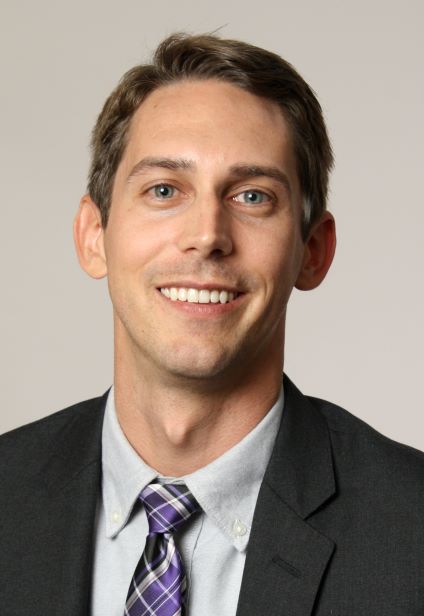 Kyle Freund (Ph.D. McMaster University) is the Cultural Resource Research Lead at the Idaho National Laboratory (INL) whose specializations include lithic analysis, obsidian sourcing via XRF spectrometry, GIS and spatial statistics, and field survey. Prior to joining INL, Kyle served as a Principal Investigator at Far Western Anthropological Research Group in Henderson, Nevada, and an Assistant Professor of Anthropology at Indian River State College in Ft. Pierce, FL. He has been involved in a diverse range of field projects throughout Italy, Greece, Turkey, Canada, and the United States, although his primary research centers on how obsidian sourcing studies can be used to address questions of broad archaeological significance. This includes focusing on the role of obsidian exchange and gift-giving practices in structuring early farming societies of the Mediterranean as well as identifying long-term mobility patterns of hunter-gatherers in the U.S. Great Basin.
Steven A. Vitale, Department of Physics and Nuclear Engineering, United States Military Academy at West Point, West Point NY, USA,
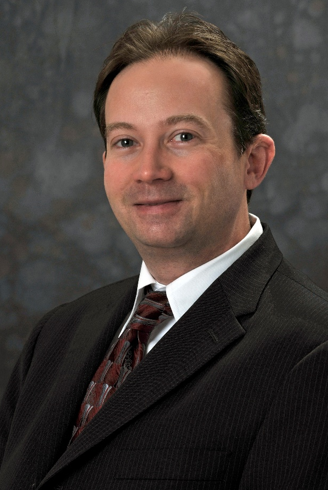 Steven Vitale is an experimental physicist, exploring the processing and properties of novel materials for future optical and microelectronic devices. Prior to his current faculty position at the United State Military Academy at West Point he was a research scientist at the Massachusetts Institute of Technology. He has extensive experience in material surface analysis, processing, and modification. Dr. Vitale has spent many summers participating in Bronze Age and Classical archaeological excavations at various Mediterranean and Aegean sites. He is currently exploring how to increase the impact of materials analysis toward answering important archaeological questions. He has organized several colloquia and workshops on the topic and is co-editor of a special issue in the journal Advances in Archeomaterials. Dr. Vitale holds a BS from Johns Hopkins University, MS and PhD from MIT, and is currently pursuing a BA in Classical Studies at the Open University.
Sandra L. López Varela, Full-time Professor, Facultad de Filosofía y Letras, Universidad Nacional Autónoma de México
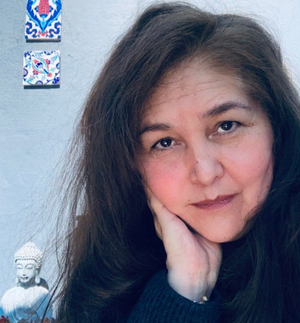
Sandra López Varela is a registered professional archaeologist (RPA 15480) who served as President of the Society for Archaeological Sciences (2009-2011) and Archaeology Chair (2011-2014) of the American Anthropological Association. Her earlier analytical studies of Maya pottery production technologies and ethnoarchaeological investigations in rural Mexico set the tone for cutting-edge exploration and innovation of archaeological sciences in unexplored fields, such as poverty reduction policies. As Editor-in-chief of the Encyclopedia of Archaeological Sciences, she highlights the relevance of archaeological data in solving modern phenomena challenging our capacity to live on the planet. Her latest project deciphers the impact of modern phenomena on heritage preservation by incorporating information and communication technologies and social media. The project, México Alternativo (https://www.mexicoalternativounam.com), has developed a free mobile App taking you to the streets of Mexico City through a smartphone or webpage to connect you with their history. With a deep understanding of the digital divide, she ensures that Web 3.0 UX-IX approaches are as accessible as they are enriching. To redefine the boundaries of archaeological sciences, she teaches heritage management courses, blending policy-making, business and marketing, and information and communication technologies. Most recently, she co-chaired the task force that revised the ethical principles of the Society for American Archaeology (SAA), reinforcing her commitment to integrity in archaeological practice. In 2024, her involvement in the SAA committee on Diversity, Equity, Inclusion, and Justice (DEIJ) further highlights her dedication to fostering a fair, inclusive, accessible, and equitable professional landscape for all.
Adrian L. Burke, Professeur titulaire (full professor), Département d’anthropologie, Université de Montréal, Montréal, Québec, Canada, Director of the Laboratoire de caractérisation des matériaux archéologiques
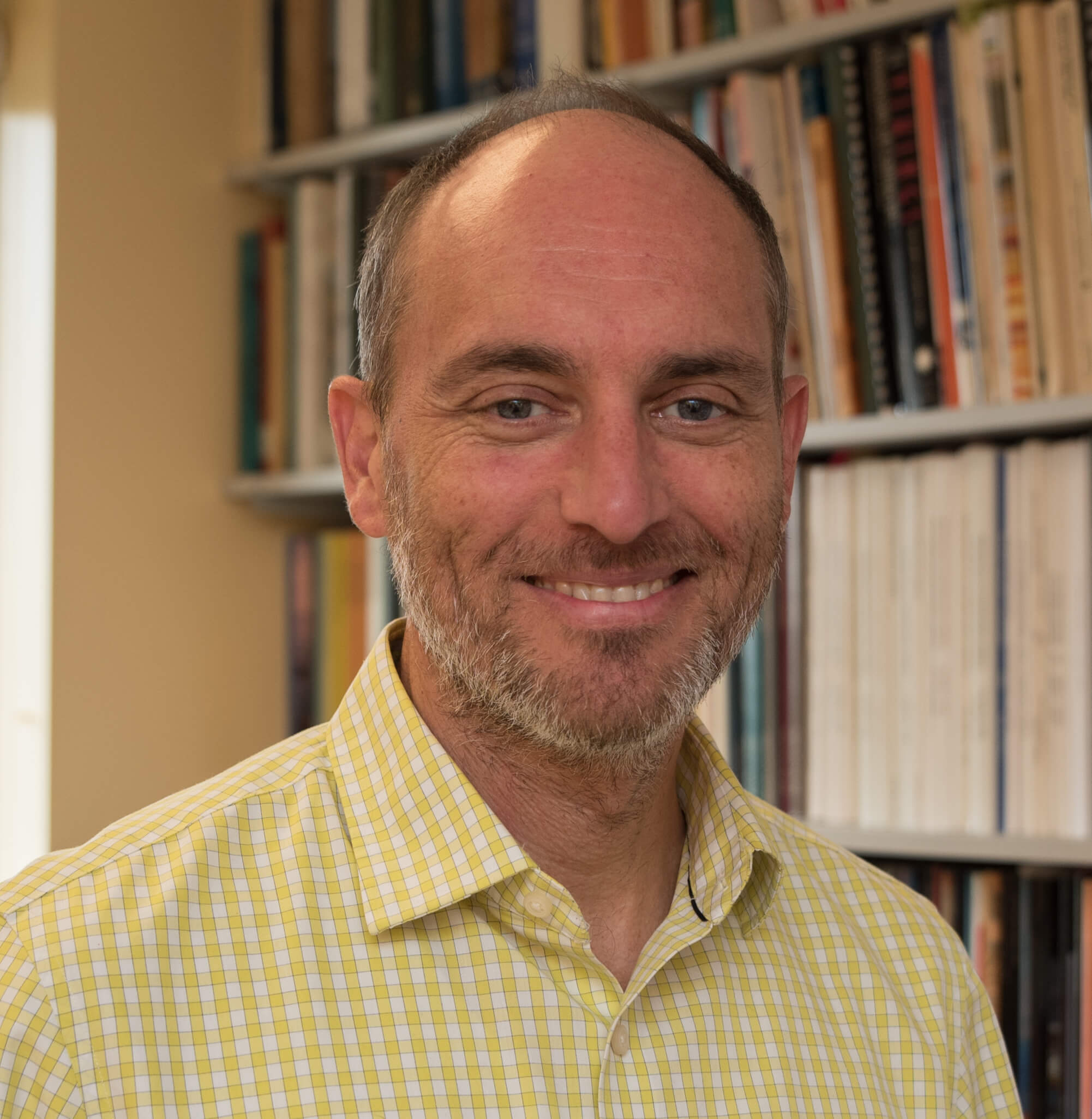 Adrian Burke is an archaeologist specializing in the physico-chemical characterization of rocks and minerals used in the past to make tools and ornaments. He carries out most of his research, including geoarchaeological fieldwork, in northeastern North America. He currently directs an XRF laboratory dedicated to the geochemical analysis of geological samples and archaeological artifacts. He also uses other techniques such as thin section petrography, SEM, XRD, and NAA to characterize raw materials. Burke was a key member of both the scientific and local organizing committees for the 2019 GMPCA colloquium in Montreal, Canada, as well as previously serving as the SAS Vice President of Intersociety Relations.